
Riad in Morocco: A Traditional Moroccan Experience
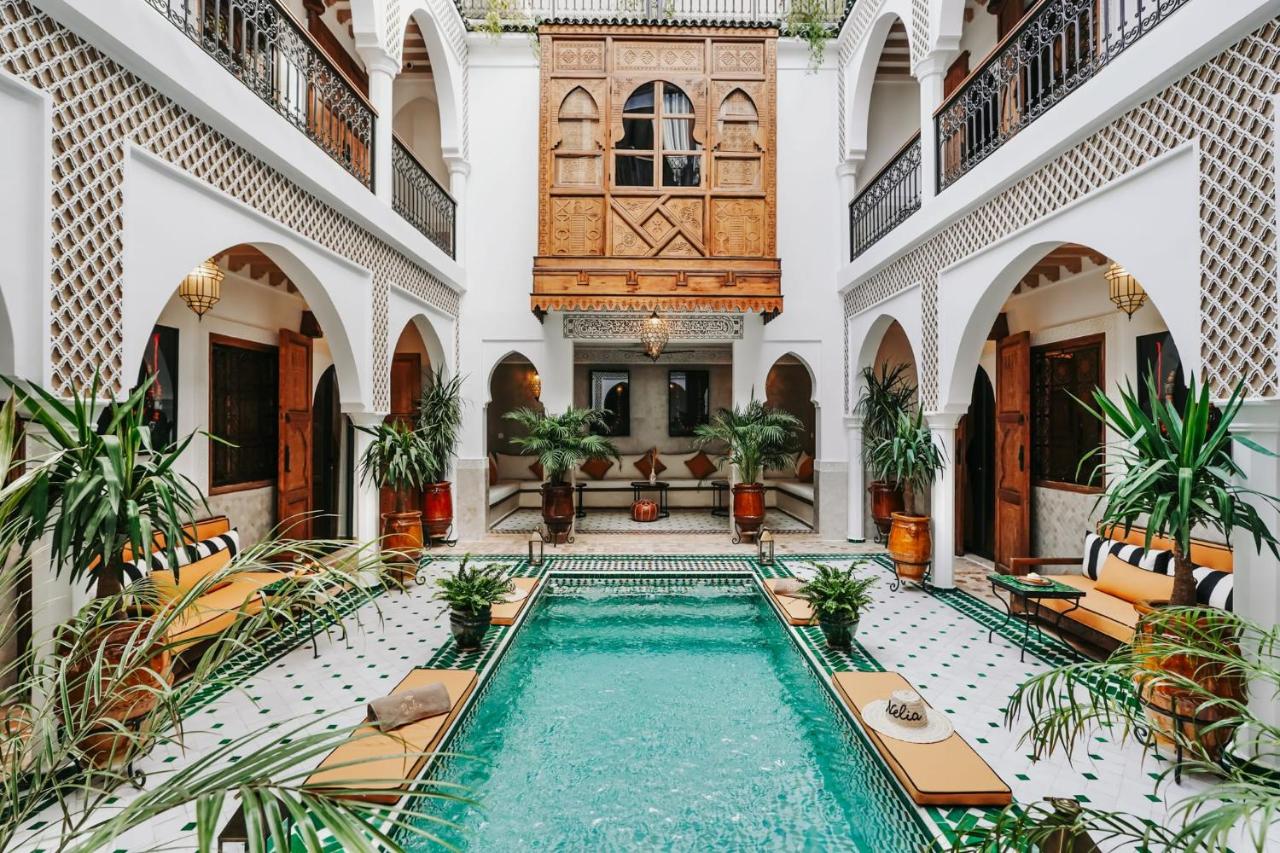
A riad in Morocco is more than just a place to stay. It is a traditional Moroccan house or palace built around a beautiful interior courtyard or garden. Behind a simple doorway, visitors can discover a peaceful world filled with fountains, plants, traditional decoration, and the warm atmosphere of Moroccan hospitality.
Riads are especially common in historic cities such as Marrakech, Fes, and Essaouira. Their inward-facing design provides privacy, tranquility, and natural protection from Morocco’s hot climate.
History and Origin of Riads
Traditional riads are an important part of Morocco’s architectural and cultural heritage. These homes were designed around a central courtyard, creating a private space protected from the busy streets of the medina.
Their architecture reflects different cultural influences, including Islamic, Andalusian, and North African traditions. Wealthy families, merchants, and important members of society traditionally lived in larger riads, which often featured beautiful courtyards, fountains, mosaics, and detailed craftsmanship.
The central courtyard was not only decorative but also helped bring natural light and fresh air into the home while creating a peaceful environment for family life.
Riad Architecture
Moroccan riads are known for their elegant architecture and traditional craftsmanship.
Distinctive Design Features
Riads commonly feature thick walls, large wooden doors, arched entrances, carved wood, decorative plaster, and colorful zellige tiles. Another traditional technique, tadelakt, is often used on walls and gives Moroccan interiors their distinctive smooth finish.
Gardens and Courtyards
The central courtyard is the heart of a traditional riad. It may contain plants, trees, flowers, and comfortable seating areas. The courtyard brings light and air into the surrounding rooms while creating a calm oasis inside the medina.
Fountains and Water Features
Water is an important element of Moroccan riad design. Small fountains or pools are often placed in the courtyard, providing a relaxing atmosphere and helping to cool the surrounding space.
Riad as Accommodation
Today, many traditional riads have been transformed into boutique hotels and guesthouses. Staying in a riad allows travelers to experience Moroccan architecture and hospitality while enjoying modern comfort.
Riad Hotels and Guesthouses
Most riads are smaller and more intimate than conventional hotels. Their limited number of rooms often creates a peaceful atmosphere and allows guests to receive more personalized service.
Luxury and Amenities
Depending on the riad, guests may enjoy modern amenities such as:
- Air conditioning
- Free Wi-Fi
- Private bathrooms
- Traditional Moroccan breakfast
- Rooftop terraces
- Swimming pools
- Hammam and spa services
Privacy and Tranquility
One of the main advantages of staying in a riad is the peaceful atmosphere. Thick walls and enclosed courtyards separate guests from the noise of the medina, creating a comfortable place to relax after exploring Morocco.
Practical Information for Travelers
When choosing a riad in Morocco, consider a few important points:
Location: Riads in the historic medinas of Marrakech, Fes, and Essaouira provide easy access to markets, monuments, and local attractions.
Amenities: Check whether the riad offers Wi-Fi, air conditioning, breakfast, a private bathroom, or a hammam.
Security: Choose a well-reviewed property and check the available security arrangements.
Experience: Many riads offer beautiful courtyards, traditional decoration, rooftop terraces, and views of the surrounding city.
Get the Best Riad Experience
Staying in a carefully selected riad can make your Moroccan journey more comfortable and authentic. A good riad combines traditional architecture, Moroccan hospitality, convenient location, and modern services.
Whether you are visiting Marrakech for a few days or exploring Morocco on a longer journey, staying in a riad gives you the opportunity to experience the country’s culture from inside one of its most distinctive traditional homes.
Cultural Significance of Riads
Riads are an important part of Moroccan heritage and are strongly connected to Islamic and Andalusian architectural traditions.
The word riad comes from the Arabic word associated with a garden, reflecting the importance of the interior garden or courtyard.
The inward-facing design emphasizes privacy and tranquility, while elements such as zellige tiles, carved wood, fountains, and decorative plaster showcase Morocco’s artistic traditions.
Today, many restored riads continue to preserve these traditions while welcoming visitors from around the world.
Experiencing Riad Living
Staying in a riad is an opportunity to experience Moroccan hospitality and local culture.
Hospitality and Services
Guests can often enjoy personalized service, housekeeping, travel advice, and assistance with local activities or transportation.
Food and Moroccan Cuisine
Traditional Moroccan food is another important part of the riad experience. Breakfast may include fresh bread, local jams, cheese, olives, and Moroccan mint tea.
Many riads also serve popular dishes such as tagine and couscous, while some offer Moroccan cooking classes.
Activities and Local Interactions
Depending on the riad, guests may be able to arrange:
- Moroccan cooking classes
- Medina tours
- Local experiences
- Cultural activities
- Excursions and day trips
These experiences can help travelers discover Morocco beyond the usual tourist attractions.
Choosing the Right Riad
There are many riads to choose from in Morocco, so it is important to select one that matches your travel style and budget.
Location: Choose a convenient location close to the attractions you want to visit.
Luxury Level: Riads range from simple traditional guesthouses to luxurious boutique properties.
Amenities and Services: Check the available facilities, breakfast options, staff services, and additional experiences.
Pricing and Reviews: Compare prices and read recent guest reviews before making your reservation.
Riads in Contemporary Morocco
Modern riads combine traditional Moroccan architecture with contemporary comfort. Many have been carefully restored and converted into boutique hotels and guesthouses.
Guests can enjoy traditional courtyards, zellige decoration, Moroccan furniture, rooftop terraces, spas, and modern facilities such as Wi-Fi and air conditioning.
Located mainly in historic medinas, contemporary riads offer a unique balance between Morocco’s architectural heritage and modern hospitality.
Sustainability and Conservation Efforts
Restoring and maintaining traditional riads can help preserve Morocco’s architectural heritage.
Their original design also offers natural environmental benefits. Thick walls provide insulation, while central courtyards help circulate air and create cooler spaces.
Many riads use local materials and traditional craftsmanship during renovations, supporting local artisans and helping preserve Moroccan building techniques.
Water-saving systems and renewable energy solutions are also becoming increasingly important in modern riad renovations.
Frequently Asked Questions
What is the original purpose of a riad in Morocco?
A riad was traditionally a private Moroccan home built around an interior courtyard or garden. It provided privacy, natural ventilation, and protection from the busy streets and hot climate.
What are the architectural features of a traditional Moroccan riad?
Typical features include a central courtyard or garden, fountain, zellige tiles, carved wooden doors, decorative plaster, thick walls, and often a rooftop terrace.
How do riads differ from regular hotels?
Riads are generally smaller and more intimate than conventional hotels. They offer traditional Moroccan architecture, personalized hospitality, and a closer connection to local culture.
What is the difference between a Dar and a Riad?
A riad traditionally refers to a house with an interior garden or courtyard, while a Dar may have a courtyard without the same garden or fountain features. Both are based on Morocco’s traditional inward-facing architecture.
How much does it cost to stay in a Moroccan riad?
Prices vary depending on the city, location, season, facilities, and level of luxury. Morocco offers everything from affordable guesthouses to high-end luxury riads.
Where can I find the best riads in Morocco?
Marrakech and Fes are particularly well known for their traditional riads, although beautiful options can also be found in cities such as Essaouira and other historic Moroccan destinations.
Experience the Charm of a Moroccan Riad
A riad is more than accommodation—it is a window into Morocco’s history, architecture, cuisine, and hospitality. From peaceful courtyards and traditional craftsmanship to delicious Moroccan food and warm local service, staying in a riad can become one of the most memorable parts of your trip to Morocco.